
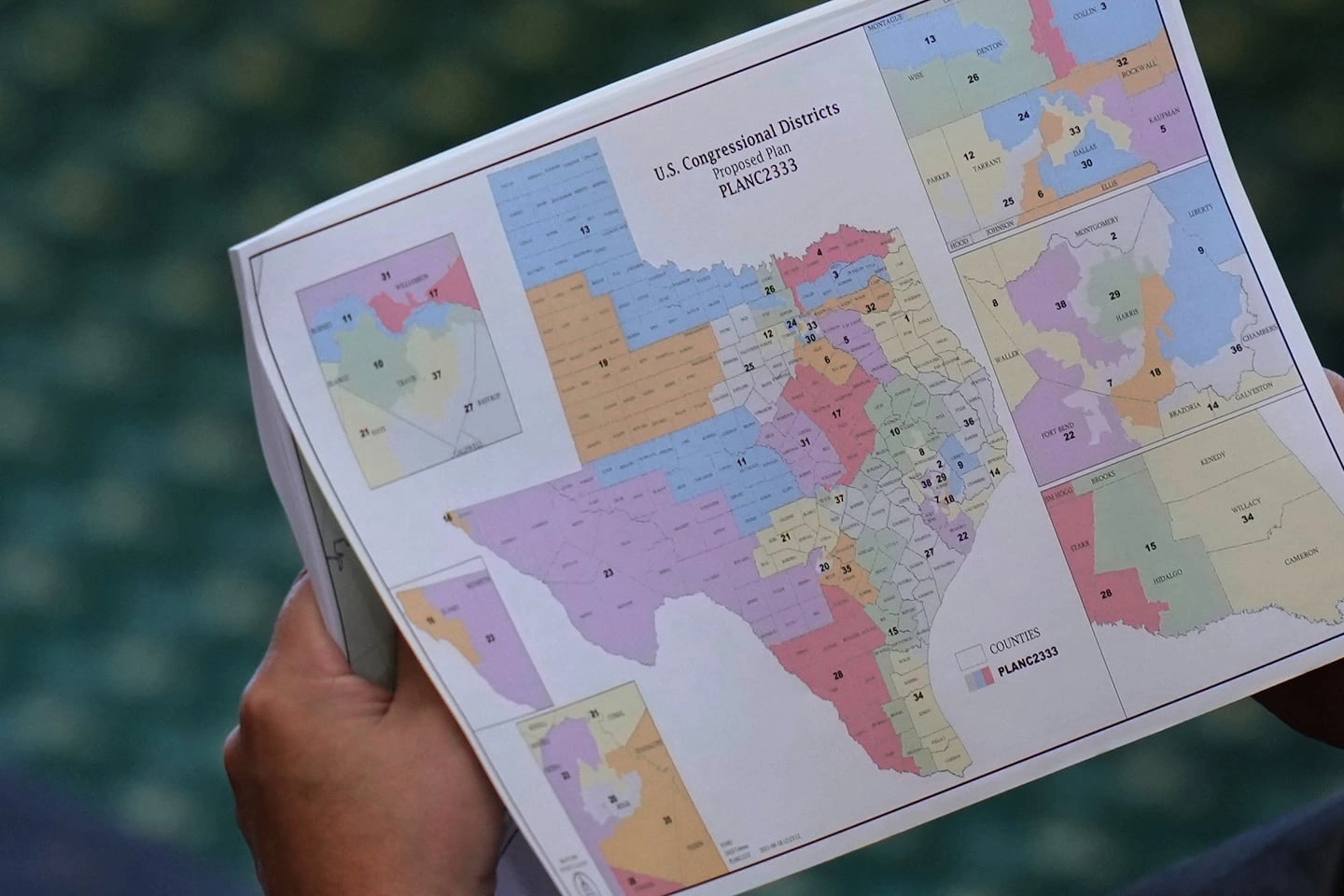
Maryland Democrats are advancing a proposal to amend the state constitution and change the way congressional district maps are drawn, setting the stage for another major debate over redistricting, political representation, and electoral fairness.
The proposed constitutional change would alter procedures governing congressional map creation and could significantly influence how Maryland’s congressional districts are configured in future elections. Supporters argue the measure is necessary to ensure fair representation and adapt to changing political and demographic realities, while critics contend the proposal could become another battleground in the ongoing national fight over redistricting.
As lawmakers continue discussions, the issue is drawing attention from political leaders, voting rights advocates, and election experts across the country.
A New Redistricting Proposal
Redistricting remains one of the most consequential political processes in American government.
Every decade, states redraw congressional district boundaries following the release of updated census data. Those maps determine how voters are grouped into congressional districts and can significantly influence election outcomes for years.
Maryland Democrats are now seeking a constitutional amendment that would establish a revised framework for future congressional redistricting efforts.
While specific details continue to be debated, the proposal would modify existing rules and potentially create new standards governing how district boundaries are developed and approved.
Because constitutional amendments require a more extensive process than ordinary legislation, supporters believe the change could provide long-term stability for future redistricting cycles.
The proposal reflects growing national interest in how states manage the map-drawing process.
Why Redistricting Matters
Congressional district boundaries play a critical role in determining political representation.
When district lines are adjusted, communities may be grouped differently, changing the political makeup of individual districts. Even relatively small modifications can influence electoral competitiveness, campaign strategies, and voter engagement.
As a result, redistricting often becomes one of the most closely watched activities undertaken by state governments.
Supporters of reform efforts frequently argue that map-drawing should prioritize population equality, community interests, and fair representation.
Opponents sometimes express concerns that proposed changes could benefit one political party over another.
Those competing perspectives have fueled legal battles and political disputes throughout the country for decades.
Maryland’s latest proposal is unfolding within that broader national conversation.
Democrats Make Their Case
Supporters of the constitutional amendment argue that adjustments are necessary to improve confidence in the redistricting process.
Democratic lawmakers have emphasized the importance of transparency, consistency, and public trust when drawing congressional districts.
Many advocates contend that establishing constitutional standards can help reduce uncertainty and create clearer guidelines for future mapmakers.
They also point to demographic changes that continue reshaping communities throughout Maryland.
Population shifts, economic development, and changing regional characteristics often require states to reevaluate district boundaries to ensure compliance with federal and state requirements.
Supporters believe the proposed amendment offers an opportunity to modernize the process while creating a framework designed to withstand future political disputes.
The proposal has become a significant priority for several Democratic leaders in the state.
Critics Raise Concerns
Not everyone agrees with the proposed changes.
Republican lawmakers and some redistricting critics have expressed skepticism regarding the amendment and its potential consequences.
Opponents argue that redistricting reforms can sometimes produce unintended political advantages, even when presented as efforts to improve fairness.
Some critics have questioned whether the proposed changes would truly reduce partisan influence or simply alter the mechanisms through which political considerations enter the process.
Others have called for broader reforms, including independent commissions or additional safeguards designed to limit partisan involvement altogether.
The debate highlights the difficulty of finding consensus on redistricting issues.
Because district maps can influence political outcomes for years, even procedural changes often become subjects of intense disagreement.
National Attention on Maryland
Maryland has frequently attracted attention during previous redistricting cycles.
The state’s congressional maps have been the subject of political controversy and legal challenges, making it one of several states regularly cited in discussions about gerrymandering and electoral fairness.
As a result, developments in Maryland are often closely monitored by political observers nationwide.
Redistricting disputes have emerged in both Democratic- and Republican-controlled states, contributing to a broader national debate regarding representation and election administration.
Many voting rights organizations argue that improving public confidence in the process remains essential regardless of which party controls a state’s government.
Because Maryland occupies a prominent place in those conversations, any constitutional amendment related to redistricting is likely to receive substantial scrutiny.
The current proposal is no exception.
The Constitutional Amendment Process
Changing a state constitution typically requires multiple steps.
Unlike ordinary legislation, constitutional amendments often must receive approval from lawmakers before being presented directly to voters. That additional layer of review is intended to ensure that significant structural changes receive careful consideration.
If Maryland lawmakers approve the proposal, voters could eventually have an opportunity to decide whether the amendment should become part of the state’s constitution.
That possibility introduces another dimension to the debate.
Political leaders would likely need to explain the proposal’s purpose and potential impact to voters, while supporters and opponents would have opportunities to advocate for their respective positions.
Public opinion could ultimately play a decisive role in determining the amendment’s future.
Potential Impact on Future Elections
Although any immediate effects may be limited, the long-term implications could be substantial.
Congressional district boundaries influence how communities are represented in Washington and can affect electoral competitiveness throughout the state.
Changes to the redistricting process could shape future maps for decades.
Supporters argue that stronger constitutional guidance may help create a more predictable and transparent framework. Critics, meanwhile, remain concerned about how the new rules could be interpreted and implemented.
The ultimate impact would depend on both the final language of the amendment and the manner in which future redistricting efforts are conducted.
That uncertainty helps explain why the proposal has generated considerable attention.
As discussions continue, Maryland’s proposed constitutional amendment is likely to remain a major political issue.
The debate touches on fundamental questions about representation, electoral fairness, and the role government should play in drawing congressional districts. Those questions have become increasingly important as redistricting disputes continue emerging across the United States.
For supporters, the proposal represents an opportunity to strengthen the redistricting process and establish clearer constitutional standards.
For critics, it raises concerns about whether the changes will truly improve fairness or simply create new political challenges.