
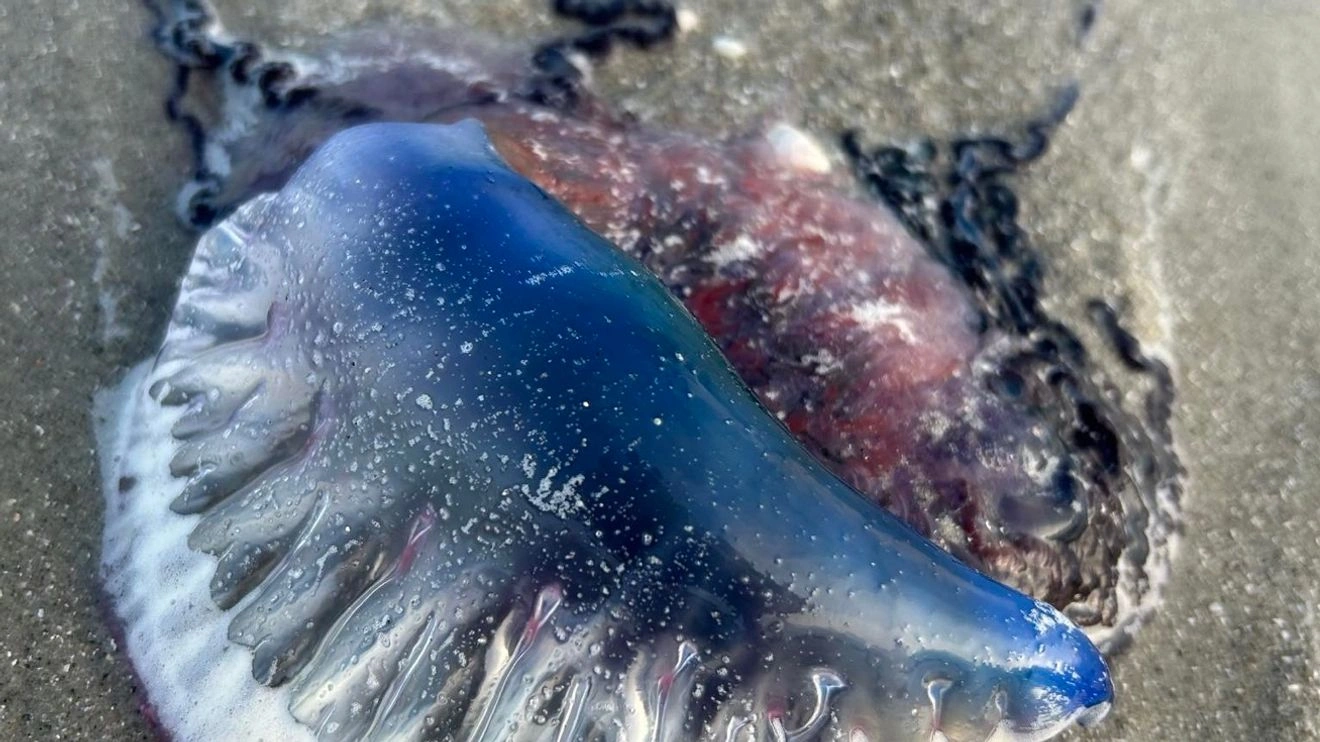
Authorities in Myrtle Beach are urging residents and visitors to remain alert after reports of venomous marine wildlife appearing along portions of the South Carolina coastline.
As summer crowds continue arriving at one of the East Coast’s most popular beach destinations, local officials are emphasizing the importance of ocean safety and awareness. While encounters with dangerous marine creatures remain relatively uncommon, police and beach safety personnel say understanding the risks can help prevent injuries and ensure that beachgoers enjoy a safe experience.
The warning comes during a busy tourism season when thousands of swimmers, surfers, anglers, and families spend time in the waters surrounding Myrtle Beach every day.
Officials Encourage Caution
Myrtle Beach authorities issued the advisory after receiving reports of potentially venomous marine animals being observed near recreational areas.
Officials stressed that the warning is intended as a precaution rather than a cause for alarm. Marine wildlife naturally inhabits coastal waters, and occasional sightings are not unusual during warmer months when ocean activity increases.
However, police and beach safety personnel believe public awareness is essential.
Many visitors may not be familiar with the types of marine creatures found along the Atlantic coastline. Without proper knowledge, individuals could unintentionally approach or handle animals capable of causing painful injuries.
Authorities are encouraging beachgoers to observe wildlife from a safe distance and report unusual sightings to lifeguards or local officials when appropriate.
The goal is to reduce unnecessary interactions while allowing marine ecosystems to remain undisturbed.
Which Marine Creatures Raise Concerns?
Several species found in coastal waters can deliver venomous stings or painful defensive reactions.
Among the most commonly discussed are jellyfish, stingrays, and certain venomous fish species occasionally encountered near shorelines.
Jellyfish are perhaps the most familiar concern for swimmers. Even when they appear harmless, some species can cause painful stings that result in redness, swelling, and significant discomfort.
Stingrays present a different type of risk.
These animals often rest beneath sandy ocean floors in shallow water. Accidental contact can trigger defensive behavior, potentially resulting in injuries from their venomous tail spines.
Marine experts frequently remind beach visitors that most wildlife does not seek human interaction and typically responds only when threatened or startled.
Understanding that behavior can help reduce the likelihood of encounters.
Summer Brings Increased Activity
Warm weather often leads to increased marine wildlife activity near coastal regions.
Changes in water temperature, food availability, and seasonal migration patterns can influence where various species are found throughout the year. As a result, beachgoers may notice more marine life during peak summer months.
The same conditions attracting tourists to the ocean can also create favorable environments for wildlife.
Marine biologists note that coastal ecosystems become particularly active during warmer seasons. Fish populations increase, migratory species move through the region, and ocean conditions support a wide variety of marine organisms.
For visitors, these natural patterns provide opportunities to observe fascinating wildlife.
At the same time, officials emphasize the importance of respecting the ocean as a shared environment rather than viewing it solely as a recreational space.
Safety Tips for Beachgoers
Authorities have provided several recommendations designed to help visitors stay safe while enjoying the water.
One of the most important suggestions is to remain aware of surroundings at all times. Swimmers should pay attention to posted warnings, lifeguard instructions, and local advisories regarding marine conditions.
Beach safety experts also recommend avoiding direct contact with unfamiliar marine animals.
Even creatures that appear injured, stranded, or harmless can sometimes deliver defensive stings or bites. Touching wildlife unnecessarily increases the risk of injury for both humans and animals.
When entering shallow water, some experts encourage using the “stingray shuffle,” a technique involving sliding feet along the sand rather than taking large steps. The movement can alert resting stingrays and encourage them to move away before accidental contact occurs.
These simple precautions can significantly reduce the likelihood of negative encounters.
The Role of Lifeguards and First Responders
Lifeguards play a critical role in maintaining safety along Myrtle Beach’s shoreline.
In addition to monitoring swimmers and responding to emergencies, lifeguards frequently assist with marine wildlife incidents. Their training helps them identify potential hazards and provide guidance when unusual situations arise.
First responders are also prepared to handle injuries resulting from marine encounters.
Although serious incidents remain relatively rare, emergency personnel regularly train for a wide range of coastal situations. Quick assessment and appropriate treatment can help minimize complications when stings or injuries occur.
Officials encourage anyone experiencing severe symptoms following contact with marine wildlife to seek medical attention immediately.
Prompt treatment is particularly important when symptoms include breathing difficulties, severe pain, or allergic reactions.
Respecting Marine Ecosystems
Experts emphasize that warnings about venomous wildlife should not lead to fear or hostility toward ocean animals.
Marine creatures play essential roles within coastal ecosystems and contribute to the environmental health of ocean habitats. Most species encountered near shorelines are simply behaving naturally within their environment.
Education remains one of the most effective tools for promoting coexistence.
By learning about local wildlife and understanding animal behavior, beach visitors can better appreciate the natural world while reducing potential risks.
Conservation organizations often encourage people to observe wildlife responsibly, avoid disturbing habitats, and support efforts to protect coastal ecosystems.
Those practices benefit both marine life and the communities that depend on healthy oceans.
Looking Ahead
As the busy summer season continues, Myrtle Beach officials expect large crowds to visit the area’s beaches and waterfront attractions.
The recent warning serves as a reminder that ocean safety extends beyond weather conditions and rip currents. Awareness of marine wildlife is also an important part of responsible beach recreation.
Authorities are encouraging visitors to stay informed, follow safety guidance, and respect the natural environment during their time on the coast.
While encounters with venomous marine animals remain uncommon, preparation and awareness can make a meaningful difference.