
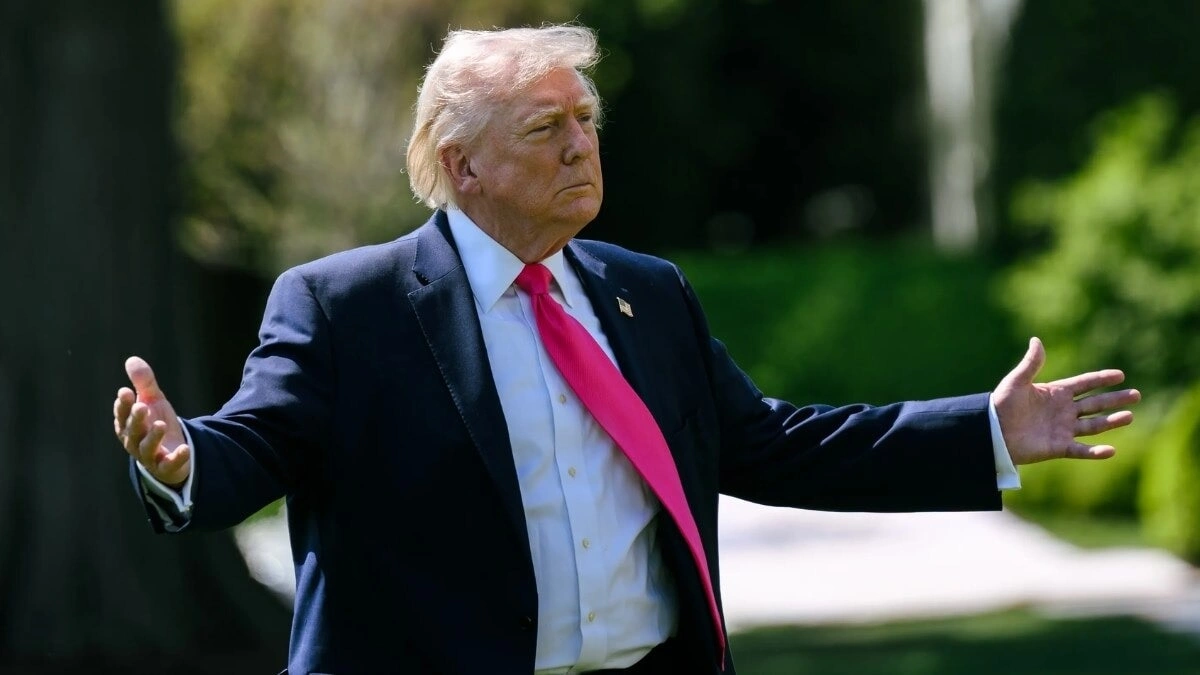
President Donald Trump is facing some of the weakest approval ratings of his second term, according to a series of recent polls that indicate declining public support and signs of growing dissatisfaction within parts of the Republican Party.
The latest surveys suggest that concerns about the economy, rising fuel costs, foreign policy decisions, and broader cost-of-living pressures are contributing to the decline. While Trump continues to maintain a loyal base of supporters, several polling organizations have reported approval numbers approaching historic lows for his current presidency.
The developments come at a critical moment as Republicans prepare for upcoming midterm elections and assess how voter sentiment could influence races across the country.
Poll Numbers Continue to Fall
Recent polling data paints a challenging picture for the president.
A Reuters/Ipsos survey found Trump’s approval rating at 35%, close to the lowest level of his second term. The poll also showed a noticeable decline in support among Republicans compared with earlier periods of his presidency. Republican approval reportedly dropped from 91% in early 2025 to 79% in the latest survey.
Meanwhile, a Quinnipiac University poll placed Trump’s approval rating at 34%, with disapproval reaching 58%. The survey suggested that dissatisfaction extends across several major policy areas, including the economy, foreign affairs, and inflation.
Other national polls have produced similar results, reinforcing a broader trend of declining public confidence. A Washington Post-ABC News-Ipsos survey found disapproval reaching 62%, the highest level recorded during either of Trump’s presidencies.
Although polling results vary by organization and methodology, the overall direction has remained consistent.
Economic Concerns Drive Voter Frustration
The economy remains one of the most important issues influencing public opinion.
For much of his political career, Trump benefited from relatively strong support on economic matters. Recent surveys, however, suggest that advantage has weakened significantly.
A Gallup survey found that Americans’ confidence in the economy has fallen to its lowest point in nearly four years. Only a small percentage of respondents rated economic conditions positively, while nearly half described the economy as poor.
At the same time, rising gasoline prices and inflation concerns have become major voter frustrations. Polling indicates that many Americans believe economic conditions are deteriorating rather than improving.
The issue appears particularly important because affordability consistently ranks among voters’ top concerns.
Several recent polls show Trump’s ratings on inflation and cost-of-living issues performing worse than his ratings on immigration and border security.
Republican Support Shows Signs of Softening
Perhaps the most closely watched development is the apparent erosion of support among some Republican voters.
Trump still commands strong backing from much of the Republican base. However, recent surveys indicate that enthusiasm may not be as strong as it was earlier in his term.
The Reuters/Ipsos poll found declining Republican approval, while other surveys reported lower ratings among traditionally supportive voting blocs.
Political strategists often pay close attention to these changes because turnout and enthusiasm can be crucial factors during midterm elections.
Even relatively small declines among core supporters can affect campaign dynamics, fundraising efforts, and voter participation.
For Republican leaders, maintaining unity while addressing voter concerns may become increasingly important as election season approaches.
Foreign Policy Adds Pressure
Foreign policy developments have also influenced public opinion.
Several recent polls indicate that many Americans disapprove of Trump’s handling of military actions involving Iran. Surveys suggest the conflict has become a significant factor shaping voter attitudes toward the administration.
The issue has gained additional attention because of its perceived economic impact.
Rising energy prices and concerns about global stability have become intertwined with broader debates regarding foreign policy decisions. Polling shows that many voters connect these issues directly to their daily financial challenges.
As a result, foreign affairs and economic concerns have increasingly become part of the same political conversation.
Midterm Elections Loom
Approval ratings often serve as an important indicator heading into congressional elections.
Historically, presidents with declining approval numbers can face additional challenges when members of their party seek reelection. While approval ratings alone do not determine election outcomes, they frequently influence campaign messaging and voter enthusiasm.
Republican candidates across the country are closely monitoring public sentiment as they prepare for upcoming contests.
Many strategists believe economic conditions will remain the dominant issue influencing voters. If inflation and affordability concerns persist, candidates may face increased pressure to address those topics directly.
At the same time, Democrats continue trying to capitalize on voter dissatisfaction, though polling suggests their own party faces challenges with public perception as well.
The White House Response
The administration has continued defending its policies and emphasizing long-term objectives.
Supporters argue that economic challenges stem from broader global factors and that current policies are designed to produce future growth and stability. They also point to areas where the administration continues to receive relatively stronger support, particularly on immigration and border enforcement issues.
White House officials have repeatedly stressed that polling fluctuations are common and that voter opinions can shift considerably before major elections.
Nevertheless, recent survey results underscore the political challenges facing the administration as it enters the next phase of its term.
With multiple polls showing approval ratings near second-term lows, Trump enters a period of heightened political scrutiny.
Economic concerns, fuel prices, foreign policy debates, and voter frustration continue shaping public opinion. While the president retains substantial support among core Republican voters, recent surveys suggest that some of that support has softened compared with earlier stages of his administration.
As midterm campaigns accelerate, both parties will be watching closely to see whether current polling trends persist or begin to change.