
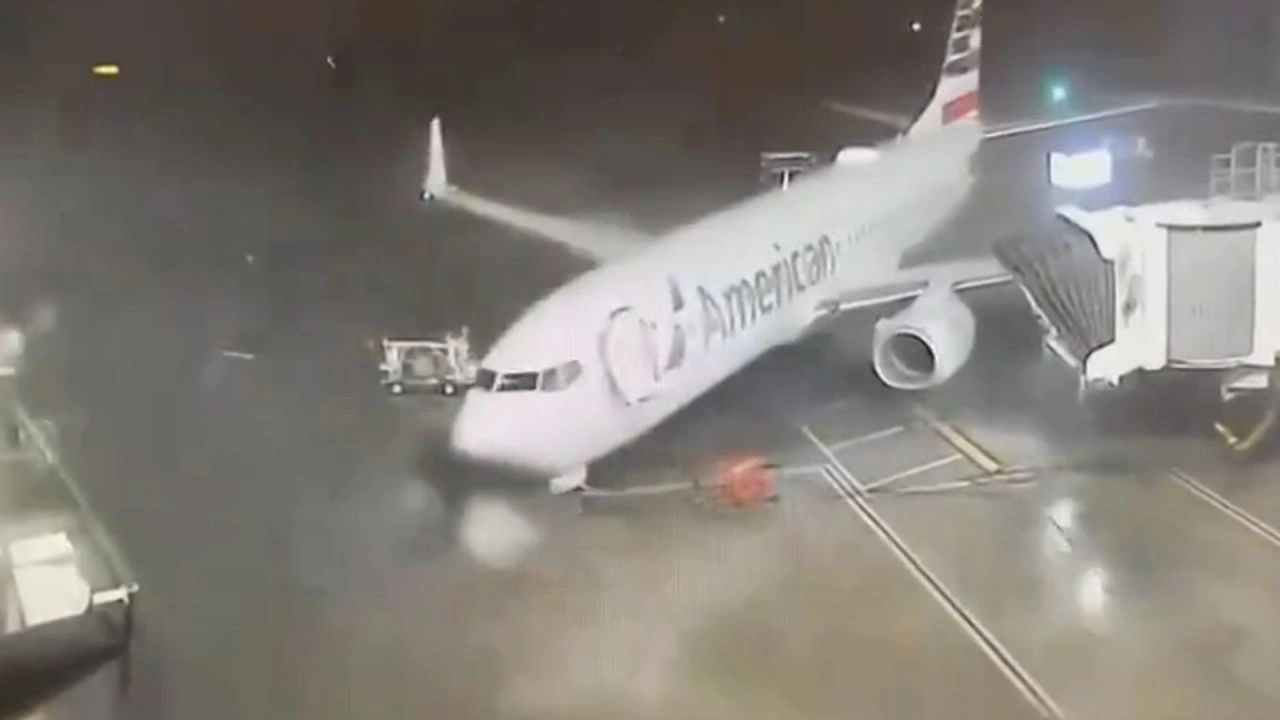
Thousands of travelers faced delays and disruptions after American Airlines canceled hundreds of flights due to severe storms sweeping across Texas, creating significant challenges at some of the airline’s busiest hubs.
The widespread weather event brought heavy rain, strong winds, lightning, and hazardous flying conditions that affected airport operations throughout the region. As a result, passengers experienced cancellations, delays, and scheduling uncertainty as airlines worked to adjust operations and prioritize safety.
American Airlines, which operates major hubs in Texas, was among the carriers most heavily impacted by the storms. The disruptions quickly spread throughout the airline’s network, affecting flights far beyond the state itself.
For travelers preparing for summer trips, the situation served as a reminder of how quickly severe weather can influence airline schedules across the country.
Storms Create Major Disruptions
The weather system moved across large portions of Texas, bringing conditions that aviation officials considered unsafe for normal operations.
Thunderstorms can significantly impact air travel because aircraft often need to avoid dangerous weather patterns. When storms develop near major airports, departures and arrivals may be delayed or suspended altogether until conditions improve.
In this case, several Texas airports experienced operational challenges as storm activity intensified throughout the day.
Lightning strikes, heavy rainfall, and strong wind gusts reduced airport efficiency and created air traffic congestion. Even flights that were not directly traveling through storm-affected areas felt the consequences as aircraft and flight crews became displaced throughout the network.
The result was a cascading effect that extended well beyond the initial weather zone.
American Airlines Feels the Impact
American Airlines faced particularly significant challenges because of its extensive presence in Texas.
The carrier operates major hub airports in the state, making regional weather events especially disruptive to its overall network. When operations slow at those hubs, flights connecting passengers to destinations across the United States and internationally can also be affected.
As storms intensified, the airline canceled hundreds of scheduled flights while delaying many others.
Although cancellations are frustrating for travelers, airlines often make such decisions to protect passengers, crew members, and aircraft. Operating flights during severe weather conditions can increase safety risks and create additional logistical problems later in the day.
By reducing operations during the worst conditions, airlines aim to restore normal schedules more efficiently once the weather improves.
Passengers Face Travel Challenges
Travelers encountered a variety of difficulties as the disruptions unfolded.
Many passengers arriving at airports discovered that their flights had been delayed, rescheduled, or canceled entirely. Others experienced missed connections due to changes in departure and arrival times.
Long lines formed at customer service counters as travelers sought assistance with rebooking and alternative travel arrangements.
For families, business travelers, and vacationers, the uncertainty added stress to already busy travel plans. Some passengers were forced to spend additional hours at airports, while others had to adjust hotel reservations, rental car bookings, and connecting transportation.
Although airlines worked to accommodate affected customers, severe weather events often create high demand for available seats on later flights.
Why Weather Causes Network-Wide Delays
Many travelers wonder why storms in a single region can affect flights across the country.
The answer lies in the interconnected nature of airline operations.
Aircraft rarely remain in one location throughout the day. Instead, a single plane may complete several flights across multiple cities before returning to its original hub. Flight crews also operate on carefully coordinated schedules.
When severe weather interrupts one segment of that system, the effects often spread throughout the network.
An aircraft delayed in Texas may later arrive late in another state. A canceled flight can prevent a crew from reaching its next assignment. These disruptions accumulate throughout the day, leading to delays and cancellations even in locations experiencing clear weather.
That interconnected structure explains why storms at major hub airports often create national travel impacts.
Airline Response Efforts
American Airlines implemented a range of measures to assist affected passengers and restore operations.
The airline encouraged customers to monitor flight status updates and use digital tools to manage travel plans. Many travelers were offered opportunities to rebook flights without additional change fees due to the weather-related disruptions.
Operational teams worked closely with airport authorities and air traffic controllers to evaluate conditions and determine when flights could safely resume.
Such coordination is essential during major weather events because safety decisions involve multiple organizations working together.
Airlines must consider runway conditions, visibility, air traffic flow, and storm movement before returning to normal operations.
Although the process can be frustrating for travelers awaiting updates, aviation experts consistently emphasize that safety remains the industry’s highest priority.
Summer Travel Season Adds Pressure
The timing of the disruptions comes as airlines prepare for one of the busiest travel periods of the year.
Summer vacation season traditionally brings increased passenger volumes, making weather-related interruptions particularly challenging. Airports often operate near capacity during peak travel periods, leaving less flexibility when schedules are disrupted.
As demand rises, recovering from large-scale cancellations can become more complicated.
Airlines must balance aircraft availability, crew scheduling requirements, and passenger demand while attempting to restore normal operations.
Even after storms move away, it can take time for airline networks to fully recover.
Travel experts frequently advise passengers to remain flexible during summer travel months and monitor weather forecasts when flying through regions prone to thunderstorms.
While conditions eventually improved across parts of Texas, airlines continued working to stabilize operations and reduce the backlog of delayed travelers.
Most affected passengers were expected to reach their destinations, though some itineraries required significant adjustments. Airline officials remained focused on restoring schedules while ensuring that all flights met safety requirements.
The incident highlights the powerful influence weather continues to have on modern air travel.
Despite advances in technology and forecasting, severe thunderstorms remain one of the most significant operational challenges facing airlines. When storms affect major aviation hubs, disruptions can quickly ripple throughout the national transportation system.