
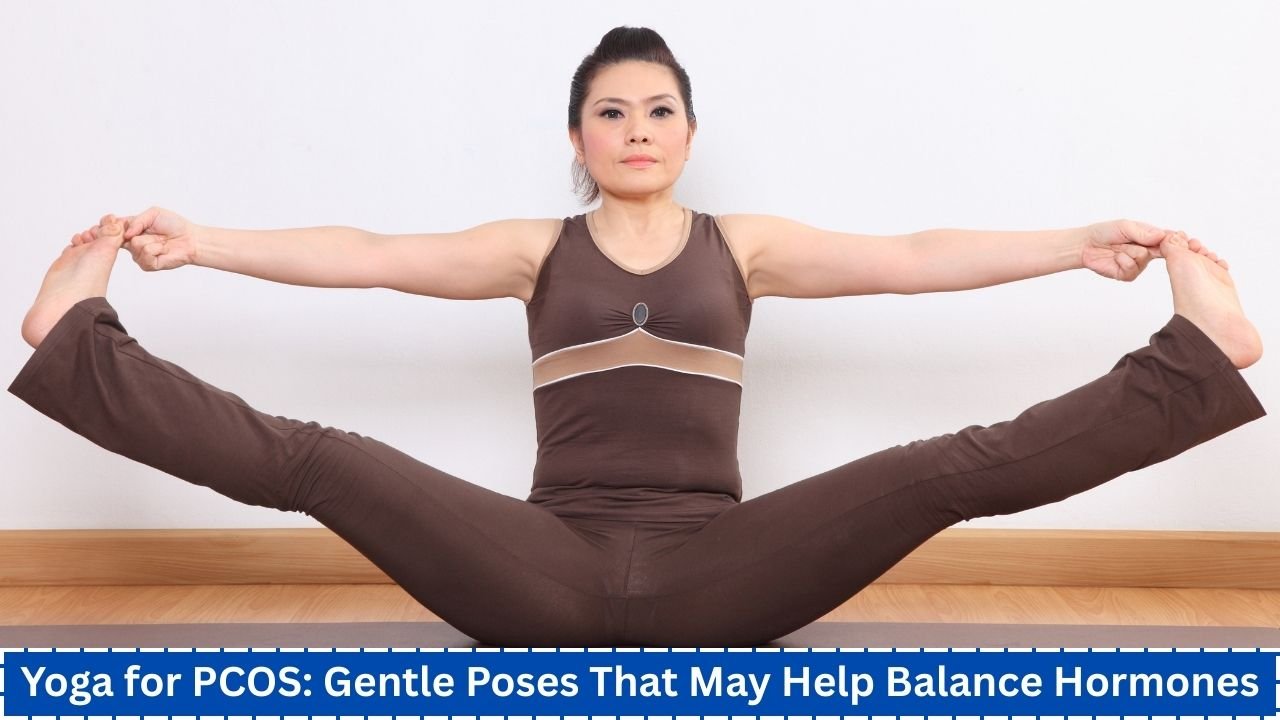
Are you searching for a natural, supportive way to manage Polycystic Ovary Syndrome (PCOS)? While medical treatment, nutrition, and lifestyle adjustments remain essential, many women are now turning to yoga as a complementary practice. Gentle yoga may help regulate stress hormones, improve insulin sensitivity, and promote emotional balance — all of which play a meaningful role in PCOS management.
PCOS is a hormonal condition that affects ovulation, metabolism, and overall reproductive health. Common symptoms include irregular periods, weight fluctuations, acne, fatigue, insulin resistance, and mood changes. Since stress and metabolic imbalance can worsen these symptoms, practices that calm the nervous system and improve circulation may offer supportive benefits. Yoga works on both physical and mental levels, making it a holistic addition to a PCOS care plan.
Understanding the Connection Between Yoga and PCOS
Yoga is more than stretching. It combines mindful movement, controlled breathing, and nervous system regulation. Research over recent years suggests that regular yoga practice may help:
- Improve insulin sensitivity
- Lower cortisol (stress hormone) levels
- Support hormonal balance
- Reduce inflammation markers
- Improve menstrual regularity in some women
Stress management is especially important in PCOS. Elevated cortisol can worsen insulin resistance and disrupt reproductive hormones. Gentle yoga activates the parasympathetic nervous system, encouraging relaxation and hormone stability.
Additionally, yoga may improve pelvic blood circulation, which supports ovarian function and reproductive health. When combined with balanced nutrition and regular physical activity, it can contribute to sustainable symptom management.
Gentle Yoga Poses That May Help with PCOS
The key is choosing calming, supportive poses rather than high-intensity flows. Below are beginner-friendly postures that focus on relaxation, pelvic circulation, and stress reduction.
| Pose | How It Helps | Suggested Duration |
|---|---|---|
| Child’s Pose | Reduces stress and calms the nervous system | 1–2 minutes |
| Cat-Cow Stretch | Improves spinal mobility and pelvic circulation | 8–10 slow cycles |
| Butterfly Pose | Opens hips and encourages blood flow to pelvic region | 1–2 minutes |
| Supine Twist | Aids digestion and relaxes abdominal tension | 1 minute each side |
| Bridge Pose | Supports pelvic strength and improves circulation | 8–12 slow repetitions |
| Legs Up the Wall | Promotes relaxation and reduces fatigue | 3–5 minutes |
1. Child’s Pose (Balasana)
This grounding posture gently stretches the lower back and hips while encouraging deep breathing. It helps reduce mental tension, which is crucial for hormone balance.
How to practice:
Kneel on the floor, sit back on your heels, and stretch your arms forward while lowering your torso. Focus on slow, steady breathing.
2. Cat-Cow Stretch
A flowing movement between spinal flexion and extension that stimulates abdominal organs and improves circulation.
How to practice:
On hands and knees, inhale as you arch your back (Cow), exhale as you round your spine (Cat). Move slowly and rhythmically.
3. Butterfly Pose (Baddha Konasana)
This pose gently opens the hips and improves blood flow to the pelvic area.
How to practice:
Sit upright, bring the soles of your feet together, and let your knees fall outward. Sit tall and breathe deeply.
4. Bridge Pose (Setu Bandha Sarvangasana)
Bridge strengthens the glutes and pelvic floor while improving blood flow to reproductive organs.
How to practice:
Lie on your back, bend your knees, press through your heels, and lift your hips gently.
5. Legs Up the Wall (Viparita Karani)
A restorative pose that reduces fatigue and supports stress relief.
How to practice:
Lie on your back with legs extended vertically against a wall. Relax your arms by your sides and breathe deeply.
How to Build a Simple 20-Minute PCOS Yoga Routine
A short daily practice can be more effective than occasional long sessions. Try this structure:
- 3 minutes deep breathing in Child’s Pose
- 3 minutes Cat-Cow flow
- 2 minutes Butterfly Pose
- 3 minutes Supine Twist (both sides)
- 4 minutes Bridge Pose repetitions
- 5 minutes Legs Up the Wall
Aim to practice at least four to five days per week. Consistency supports nervous system regulation and metabolic balance.
Lifestyle Support Beyond the Mat
Yoga works best when paired with other supportive habits. Consider:
- Prioritizing quality sleep
- Managing blood sugar through balanced meals
- Incorporating light strength training or walking
- Practicing daily mindful breathing
- Reducing caffeine if stress levels are high
Mindfulness techniques such as meditation and slow breathing can further help regulate cortisol. Even five minutes of diaphragmatic breathing daily may reduce stress load over time.
Creating a Safe Practice with PCOS
If you have PCOS, avoid extreme heat, intense power yoga sessions, or overtraining — especially if you experience fatigue or adrenal stress. Instead:
- Choose restorative or gentle flows
- Listen to your body’s energy levels
- Modify poses with cushions or blocks
- Avoid pushing through discomfort
Consult a healthcare provider before beginning any new exercise program, particularly if you have additional metabolic concerns.
Few Key Takeaways
- Yoga may help manage PCOS by reducing stress and improving insulin sensitivity
- Gentle, restorative poses are more beneficial than intense workouts
- Consistency matters more than duration
- Breathwork and mindfulness enhance hormonal balance
- Yoga supports emotional well-being alongside physical health
Final Thoughts
PCOS management requires a comprehensive approach that includes medical care, nutrition, movement, and emotional support. Yoga is not a cure, but it can be a powerful supportive tool. Through mindful breathing, gentle movement, and consistent practice, you may experience improved stress resilience, better metabolic balance, and a stronger connection to your body.