
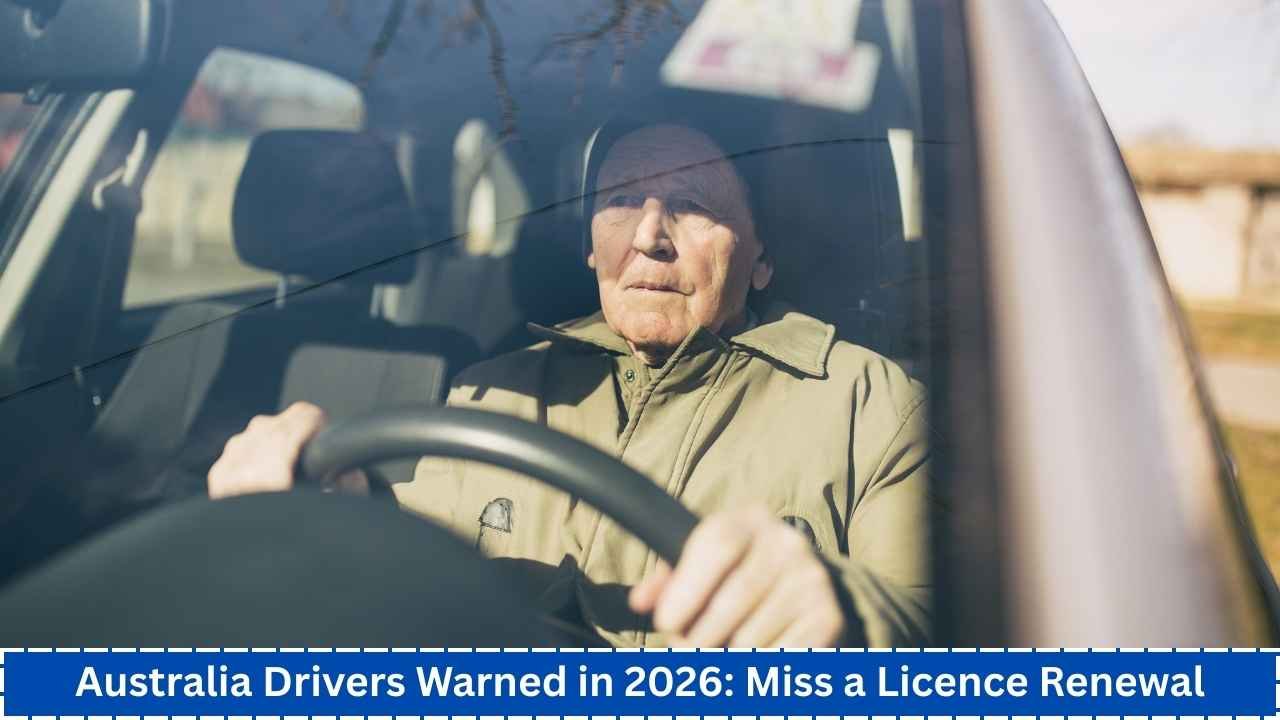
For many Australians, renewing a driver licence has long been treated as routine administration. In 2026, that mindset could prove costly. Transport authorities across multiple states and territories are tightening enforcement around expired licences, and the consequences are more immediate than in previous years.
With upgraded digital compliance systems, automatic number plate recognition technology and reduced grace periods, drivers who ignore renewal notices now face the real possibility of instant suspension. What was once a minor oversight can now lead to fines, loss of driving privileges and even insurance complications.
Here is what motorists need to understand about the 2026 changes.
What Has Changed in 2026
Transport departments have modernised their renewal processes, but enforcement has become far stricter. The key difference this year is how quickly expired licences are detected and acted upon.
Several jurisdictions have shortened or removed informal grace periods. In practical terms, once the expiry date passes, the licence is no longer valid. In some states, this can automatically trigger a suspension status in the system until renewal is completed.
Police patrol vehicles are increasingly equipped with Automatic Number Plate Recognition systems. These cameras scan plates in real time and cross-check them against licensing databases. If the registered driver is linked to an expired licence, the alert appears immediately.
Other updates drivers should know include:
- Digital-first renewal reminders via email or SMS rather than postal letters
- Higher penalties for driving unlicensed
- Mandatory medical or vision checks for certain age groups
- Automated database syncing between transport and law enforcement
Authorities argue the goal is to reduce unlicensed driving and ensure that every person on the road meets current legal and medical standards.
Why Authorities Are Taking a Harder Line
Road safety data shows that unlicensed driving contributes to a measurable proportion of serious crashes nationwide. While some cases involve deliberate non-compliance, many stem from forgotten renewals or outdated contact details.
Officials emphasise that a valid licence does more than permit driving. It confirms:
- Up-to-date residential information
- Legal driving status
- Compliance with medical fitness requirements
- Identity verification
In 2026, digital infrastructure allows instant cross-checking during traffic stops and automated camera detections. There is far less room for administrative delay or overlooked paperwork.
Road safety analysts say technology has effectively removed the buffer that once existed between expiry and enforcement.
Real-World Consequences
Drivers are already experiencing the impact of the crackdown. Cases reported across metropolitan areas show motorists being fined and temporarily suspended after only short periods of expiry.
In some instances, drivers who moved house without updating their address failed to receive renewal notices. Others delayed renewal appointments due to travel or work commitments, assuming there was a grace period.
Under updated 2026 systems, even a brief lapse can trigger automatic suspension status in certain jurisdictions. This means a driver could be considered unlicensed the moment the expiry date passes.
How the 2026 Renewal System Works
Although processes differ slightly by state or territory, the typical renewal flow now includes:
- Notification sent by post, email or SMS
- Defined renewal window before expiry
- Expiry date clearly listed on the licence
- Immediate lapse once the deadline passes
Many eligible drivers can renew online through official portals. However, older drivers or those requiring medical clearance may still need to attend in person.
Authorities recommend not relying solely on reminder messages. Checking the printed expiry date remains the safest approach.
The Financial and Legal Risks
Driving with an expired licence carries broader consequences than many motorists realise.
Potential penalties in 2026 can include:
- Fines ranging from several hundred dollars to over $1,000 depending on jurisdiction
- Demerit points in certain cases
- Immediate suspension until renewal is completed
- Vehicle impoundment for repeat offences
- Insurance claim denial if involved in a crash
Insurance complications are particularly serious. If a driver is found to be unlicensed at the time of an accident, insurers may refuse coverage, leaving the motorist personally liable for damages.
Financial advisers warn that the indirect cost of a lapse can far exceed the original fine.
Increased Scrutiny for Senior Drivers
As Australia’s population ages, renewal requirements for older drivers are tightening in several areas. In 2026, some jurisdictions require:
- More frequent vision assessments
- Regular medical declarations
- Shorter renewal cycles after a certain age
Officials maintain these measures are preventative rather than punitive. Regular health checks aim to ensure continued driving safety for both older motorists and the wider community.
However, advocacy groups note that digital-only systems may present challenges for seniors who are less comfortable with online processes.
What Drivers Should Do Immediately
To avoid disruption, motorists should take proactive steps:
- Check the expiry date on your licence today
- Update your address if you have recently moved
- Register for official digital reminders where available
- Book medical or vision appointments well before expiry
- Keep renewal confirmation receipts until the new licence is issued
- Do not assume any grace period exists
Small administrative delays can now carry immediate legal consequences.
Key Takeaways
- In 2026, many states enforce immediate invalid status after licence expiry
- ANPR technology enables instant roadside detection
- Grace periods have been shortened or eliminated in several jurisdictions
- Driving unlicensed can trigger fines, suspension and insurance risks
- Proactive renewal is the safest and simplest solution
Final Thoughts
The 2026 crackdown on expired licences marks a significant shift in how Australian transport authorities manage compliance. Digital systems have streamlined renewal processes, but they have also strengthened enforcement.
For drivers, the responsibility is clear. A valid licence is not just paperwork. It is a legal requirement verified in real time. Ignoring renewal notices or delaying action can result in immediate suspension and serious financial consequences.